Understanding PMOS, Previously PCOS: A Comprehensive Guide to Symptoms, Diagnosis, Diet and Management
Aug 04, 2026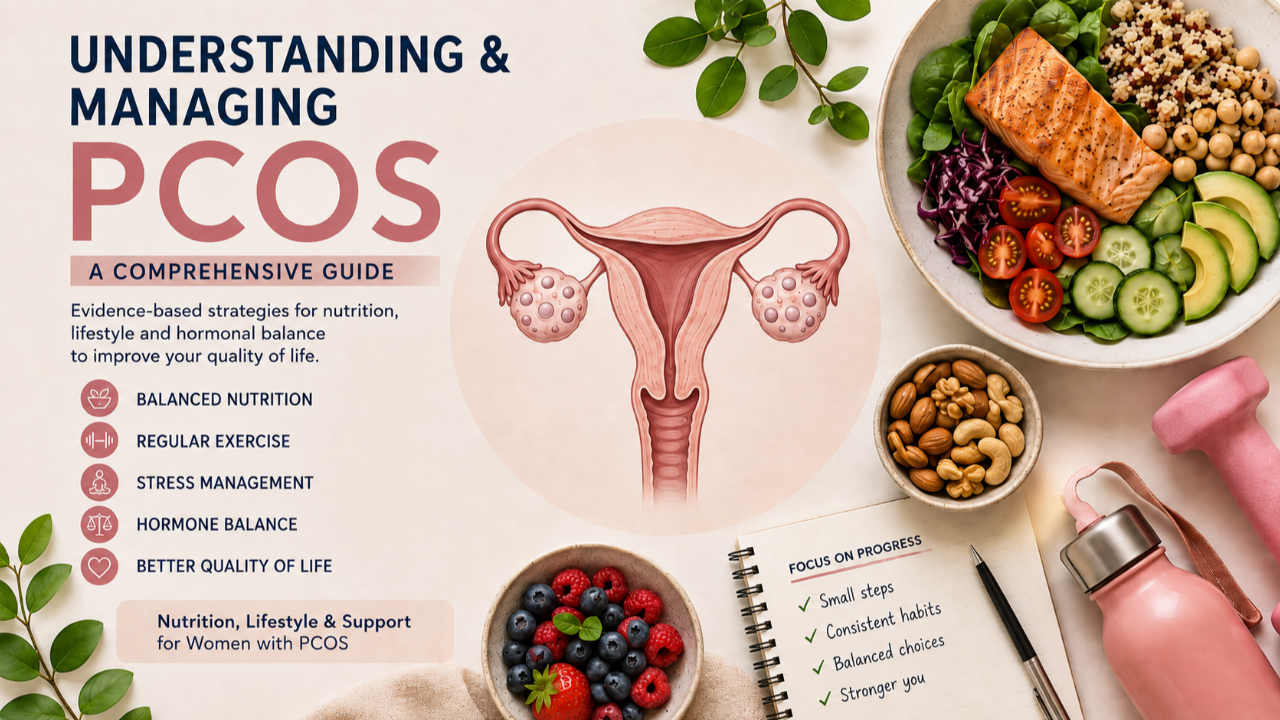
If you have been searching for information about PCOS symptoms, a suitable PCOS diet, insulin resistance or how to manage PCOS, you may have noticed a new term appearing: PMOS.
In May 2026, Polycystic Ovary Syndrome, or PCOS, was officially renamed Polyendocrine Metabolic Ovarian Syndrome, or PMOS. The new name better reflects the hormonal, metabolic, reproductive and psychological effects of the condition rather than incorrectly suggesting that it is simply a problem involving ovarian cysts.
Both PMOS and PCOS will continue to be used during a three-year transition period, with the new name expected to be fully incorporated into the updated international guideline in 2028. For clarity, this guide will use PMOS, previously known as PCOS, throughout.
Whether you have recently received a PMOS or PCOS diagnosis, are experiencing irregular periods or are looking for a PCOS dietitian in Malaysia, this guide will help you understand what the condition means and the different ways it can be managed.
What Is PMOS or PCOS?
Polyendocrine Metabolic Ovarian Syndrome, previously called Polycystic Ovary Syndrome, is a complex hormonal and metabolic condition.
It may affect:
-
Menstrual cycles and ovulation
-
Androgen levels
-
Insulin sensitivity and blood glucose regulation
-
Skin and hair
-
Fertility
-
Weight and appetite regulation
-
Emotional and psychological health
-
Long-term metabolic health
PMOS is estimated to affect approximately one in eight women worldwide. However, symptoms can vary significantly, and many women remain undiagnosed.
Despite its former name, PCOS is not simply a condition caused by ovarian cysts. The appearance sometimes seen on an ultrasound is usually an increased number of small ovarian follicles rather than abnormal cysts.
You can also have PMOS without having polycystic-appearing ovaries on an ultrasound.
What Causes PMOS or PCOS?
There is no single known cause of PMOS. It is believed to develop through a combination of genetic, hormonal, metabolic and environmental factors.
Having a family history of PMOS or type 2 diabetes may increase a person’s likelihood of developing the condition. Insulin resistance and altered hormonal signalling can also contribute to higher androgen levels and disrupted ovulation.
PMOS is not caused by laziness, a lack of discipline or simply eating too much sugar. Although nutrition and physical activity can influence symptoms and long-term health, they are not the sole causes of the condition.
Common PMOS and PCOS Symptoms
PMOS symptoms can look different from one woman to another and may also change across different life stages.
Common signs and symptoms of PMOS or PCOS include:
-
Irregular, infrequent or absent periods
-
Difficulty predicting ovulation
-
Difficulty becoming pregnant
-
Acne or oily skin
-
Excess facial or body hair, known as hirsutism
-
Hair thinning or female-pattern hair loss
-
Weight gain or difficulty managing weight
-
Intense hunger or food cravings
-
Fatigue or changes in energy levels
-
Darkened, velvety skin patches known as acanthosis nigricans
-
Skin tags
-
Anxiety, depression or body-image concerns
Not every woman with PMOS will experience all these symptoms. For example, some women have regular-looking ovaries but experience irregular ovulation and high androgen levels. Others may have polycystic ovarian morphology without significant acne or excess hair growth.
The Connection Between Insulin Resistance and PCOS
Insulin resistance in PCOS is common, but it does not affect every woman with PMOS in the same way.
Insulin is a hormone that helps move glucose from the bloodstream into the body’s cells. When someone has insulin resistance, the cells do not respond to insulin as efficiently. The body may compensate by producing more insulin.
Higher insulin levels can contribute to increased androgen production and may affect ovulation, appetite regulation and fat storage. Blood glucose may remain within the normal range during the early stages because the body is producing additional insulin to compensate.
Possible signs associated with insulin resistance include:
-
Feeling hungry soon after eating
-
Strong cravings, particularly for carbohydrate-rich foods
-
Energy crashes
-
Acanthosis nigricans
-
Elevated blood glucose or HbA1c
-
Elevated triglycerides
-
Weight gain around the abdomen
These symptoms cannot confirm insulin resistance on their own. Appropriate blood tests and a medical assessment are needed.
Women with PMOS have an increased risk of impaired glucose tolerance, gestational diabetes and type 2 diabetes. Blood glucose and cardiovascular risk factors should therefore be assessed as part of ongoing PMOS management.
How Is PMOS or PCOS Diagnosed?
There is no single blood test, symptom or ultrasound result that can diagnose PMOS.
For adults, diagnosis commonly uses the Rotterdam criteria. After other possible causes have been excluded, at least two of the following three features are generally required:
1. Irregular ovulation or menstrual cycles
This may include infrequent periods, long menstrual cycles, absent periods or evidence that ovulation is not occurring regularly.
2. Clinical or biochemical hyperandrogenism
Clinical signs may include excess facial or body hair, persistent acne or female-pattern hair loss.
Biochemical hyperandrogenism refers to elevated androgen levels identified through appropriately conducted blood tests.
3. Polycystic ovarian morphology
This may be identified through an ultrasound. In adults, anti-Müllerian hormone, or AMH, may sometimes be used as an alternative assessment under appropriate clinical guidance. It should not be used as a standalone PMOS test.
A person does not need to have ovarian “cysts” to be diagnosed with PMOS. Other conditions that can cause irregular periods or elevated androgen levels must also be considered and excluded.
Diagnosing PMOS in teenagers requires additional care because irregular cycles, acne and hormonal changes can be normal during puberty. Pelvic ultrasound is not generally used to diagnose PMOS during the early years after a teenager’s first period.
If you suspect that you have PMOS, speak to a doctor, gynaecologist or endocrinologist rather than attempting to diagnose yourself from symptoms alone.
Health Conditions Associated With PMOS
PMOS can affect more than periods and fertility. Depending on the individual, it may be associated with an increased likelihood of:
-
Insulin resistance and type 2 diabetes
-
High cholesterol or triglycerides
-
High blood pressure
-
Sleep apnoea
-
Endometrial hyperplasia
-
Fertility challenges
-
Pregnancy complications
-
Anxiety and depression
-
Disordered eating and negative body image
Irregular or absent periods may result in the lining of the uterus being exposed to oestrogen for extended periods without regular shedding. This can increase the risk of endometrial hyperplasia, which is why prolonged gaps between periods should be discussed with a doctor.
Can Diet Help With PMOS or PCOS?
Nutrition can play an important role in PCOS management, particularly for supporting blood glucose regulation, cardiovascular health, appetite, energy levels and overall nutritional adequacy.
However, there is no single “best PCOS diet” that works for every woman.
Current international PMOS guidelines do not recommend one specific diet composition over all others. A healthy eating pattern should instead be personalised according to the individual’s symptoms, metabolic health, culture, food preferences, budget and relationship with food.
A PMOS diet does not have to mean:
-
Cutting out all carbohydrates
-
Giving up rice or noodles
-
Avoiding fruit
-
Removing dairy
-
Following a gluten-free diet
-
Fasting for long periods
-
Purchasing expensive supplements
-
Eating only “clean” or unprocessed foods
-
Following the same PCOS meal plan as everyone else
The goal is to build an eating pattern that supports your health while remaining realistic enough to follow consistently.
What Should You Eat for PMOS?
A practical PCOS diet plan in Malaysia should include familiar foods and fit into everyday meals rather than requiring completely separate “diet food.”
1. Build balanced meals
A balanced meal will generally contain:
-
A source of protein
-
A source of carbohydrate
-
Vegetables or fruit
-
A source of healthy fat
For example, a Malaysian-style balanced meal might include rice, grilled fish or chicken, stir-fried vegetables and a small amount of cooking oil or nuts.
Other combinations could include:
-
Chapati with dhal, chicken and vegetables
-
Rice with tofu, egg and mixed vegetables
-
Noodles with fish, prawns or chicken and additional vegetables
-
Oats with yoghurt, fruit, nuts and seeds
-
Wholemeal bread with eggs and fruit
You do not have to remove white rice entirely. Portion size, meal balance, fibre, protein and the overall eating pattern matter more than labelling one individual food as good or bad.
2. Include adequate protein
Protein can support fullness, muscle maintenance, recovery and more stable energy levels.
Suitable protein sources include:
-
Eggs
-
Fish and seafood
-
Chicken
-
Lean meat
-
Tofu and tempeh
-
Dhal, lentils and beans
-
Milk and yoghurt
-
Soy milk
-
Edamame
Try to include a meaningful source of protein at your main meals rather than consuming most of your protein at only one meal.
3. Choose higher-fibre carbohydrates more often
Carbohydrates are not inherently harmful for PMOS. They are an important source of energy and can remain part of a healthy PCOS diet.
Higher-fibre and lower-glycaemic-index choices may help support fullness and blood glucose regulation. Options include:
-
Brown or basmati rice
-
Oats
-
Wholemeal bread
-
Wholegrain noodles
-
Barley
-
Sweet potato
-
Corn
-
Beans and lentils
-
Fruit
-
Starchy vegetables
This does not mean every carbohydrate must be low GI. White rice, regular noodles and other familiar carbohydrates can still be included, particularly when combined with protein, vegetables and appropriate portions.
4. Eat vegetables and fruit regularly
Vegetables and fruit provide fibre, vitamins, minerals and a range of beneficial plant compounds.
There is usually no need to avoid fruit because of its natural sugar content. Whole fruit also provides fibre and is different from a sugary drink or fruit-flavoured beverage.
Aim for variety rather than relying on a short list of supposed “hormone-balancing foods.”
5. Include unsaturated fats
Useful sources of unsaturated fats include:
-
Nuts and seeds
-
Peanut or nut butter
-
Olive, canola and other plant oils
-
Avocado
-
Fish such as salmon, sardines and mackerel
Omega-3 fats can be obtained from oily fish, chia seeds, flaxseeds and walnuts. However, omega-3 supplements should not automatically be viewed as a cure for hormonal imbalance. Supplement decisions should consider your food intake, health conditions, medication use and individual requirements.
Does a Low-GI Diet Help PCOS?
A lower-glycaemic-index eating pattern may help some women improve blood glucose regulation and meal satisfaction. However, GI is only one part of nutrition.
The effect of a meal on blood glucose is also influenced by:
-
The amount of carbohydrate eaten
-
Protein and fat in the meal
-
Fibre content
-
Food preparation
-
Ripeness
-
Physical activity
-
Sleep
-
Stress
-
Individual glucose responses
Rather than trying to make every meal perfectly low GI, focus on building balanced meals and choosing higher-fibre carbohydrates more frequently.
Should You Eat Small, Frequent Meals for PCOS?
There is no universal meal frequency that every woman with PMOS needs to follow.
Some women feel better eating three regular meals, while others benefit from including one or two snacks. Meal timing should be based on appetite, medication, training, work schedule, sleep pattern and individual blood glucose needs.
Eating more frequently is not automatically better for insulin resistance. Similarly, intermittent fasting is not automatically superior for PMOS.
The most suitable routine is one that supports adequate nutrition, stable energy and a manageable relationship with food.
Foods to Limit With PMOS
There is no definitive list of foods that everyone with PMOS must avoid.
However, frequently consuming large amounts of the following may make it more difficult to manage blood glucose, cholesterol, appetite or overall nutrition:
-
Sugar-sweetened drinks
-
Sweetened milk tea and coffee
-
Highly processed snack foods
-
Meals that contain large carbohydrate portions with very little protein or fibre
-
Frequent deep-fried foods
-
Excessive alcohol
-
Foods high in saturated or trans fats
These foods do not need to be completely banned. What matters is how frequently they are consumed, the amount eaten and what the rest of the eating pattern looks like.
Overly restrictive PCOS diets may increase guilt, cravings, overeating and anxiety around food. Sustainable PMOS management should support both physical and psychological health.
PCOS Weight Loss: Is It Necessary?
Not every woman with PMOS needs to lose weight.
Healthy eating, physical activity, strength training, adequate sleep and other lifestyle changes can benefit women with PMOS even when body weight does not change. The international guideline specifically recommends healthy lifestyle behaviours for all women with PMOS, not only those pursuing weight loss.
For women at a higher weight who have been advised to lose weight, gradual and sustainable weight loss may improve insulin sensitivity, menstrual regularity and some metabolic markers.
However, weight loss should not be approached through starvation, extreme carbohydrate restriction or excessive exercise.
A suitable PCOS weight-loss plan should consider:
-
Current calorie and nutrient intake
-
Hunger and fullness patterns
-
Muscle mass
-
Physical activity
-
Sleep and stress
-
Medication
-
Blood-test results
-
Menstrual health
-
History of dieting or disordered eating
Weight is only one part of PMOS care and should not be the only measure of progress.
Exercise and Strength Training for PMOS
Regular movement can improve insulin sensitivity, cardiovascular health, mood and physical capacity.
A well-rounded exercise plan may include:
-
Strength training
-
Brisk walking or other moderate aerobic activity
-
Higher-intensity exercise where appropriate
-
Mobility and flexibility work
-
More movement throughout the day
Strength training is particularly useful because building and maintaining muscle supports glucose use and long-term metabolic health.
You do not need to exercise every day or complete punishing workouts for exercise to be effective. The best exercise plan is one that is appropriate for your fitness level, health and schedule and that can be progressed gradually.
Sleep, Stress and PMOS Management
PMOS management is not only about food and exercise.
Poor sleep can affect appetite, energy, glucose regulation and the ability to maintain health behaviours. Some women with PMOS also have a higher risk of sleep apnoea, particularly when symptoms such as loud snoring, waking unrefreshed or excessive daytime sleepiness are present.
Stress does not directly cause PMOS, but prolonged stress may affect sleep, eating patterns, physical activity and overall quality of life.
Helpful strategies may include:
-
Maintaining a regular sleep routine
-
Creating realistic rather than perfect health goals
-
Scheduling rest and recovery
-
Seeking psychological support when needed
-
Addressing work and family pressures
-
Practising mindfulness or relaxation techniques
Medical Treatment for PMOS
Lifestyle and nutrition are important, but they are not the only forms of PMOS treatment.
Treatment should be based on the person’s symptoms, health risks and goals. Medical management may include support for:
-
Menstrual-cycle regulation
-
Acne or excess hair growth
-
Insulin resistance and metabolic health
-
Fertility and ovulation
-
Endometrial protection
-
Anxiety, depression or disordered eating
-
Pregnancy planning
Some women may be prescribed medications such as hormonal contraceptives, metformin or fertility medication. Medication decisions should be discussed with a doctor and should not be replaced with supplements or online diet advice.
How Can a PCOS Dietitian in Malaysia Help?
A qualified PCOS dietitian in Malaysia can help you move beyond generic lists of foods to eat and avoid.
Personalised dietitian support may include:
-
Reviewing your PMOS symptoms and medical history
-
Interpreting relevant blood-test results alongside your medical team
-
Assessing your current food intake
-
Identifying whether you are eating too little, too much or inconsistently
-
Building balanced Malaysian and Asian meals
-
Supporting insulin resistance and blood glucose management
-
Planning suitable meals around work, training and family commitments
-
Addressing food cravings without unnecessary restriction
-
Supporting sustainable weight management when appropriate
-
Preparing nutritionally for pregnancy or fertility treatment
-
Reviewing supplements for safety, evidence and suitability
-
Supporting a healthier relationship with food and exercise
Many people search for a PCOS nutritionist in Malaysia, but dietitians and nutritionists are not necessarily interchangeable. In Malaysia, dietitians are recognised as registered allied health professionals under the Allied Health Professions Act 2016.
When choosing a PMOS or PCOS dietitian, look for someone who provides individualised, evidence-based care rather than promising to cure PCOS, balance every hormone or guarantee rapid weight loss.
Frequently Asked Questions About PMOS and PCOS
Is PCOS now called PMOS?
Yes. In May 2026, Polycystic Ovary Syndrome was renamed Polyendocrine Metabolic Ovarian Syndrome. Both PCOS and PMOS will continue to be used during the transition period.
Can you have PCOS without ovarian cysts?
Yes. Ovarian cysts are not required for a PMOS diagnosis. A person may be diagnosed based on irregular ovulation and signs of elevated androgens after other conditions have been excluded.
Can PMOS be cured?
There is currently no cure for PMOS, but its symptoms and associated health risks can be effectively managed through individualised medical care, nutrition, movement, sleep support and other treatments.
What is the best diet for PCOS?
There is no single best PCOS diet. The most suitable approach is nutritionally balanced, sustainable and adapted to your symptoms, culture, preferences, metabolic health and goals.
Do I need to stop eating rice if I have PCOS?
No. Rice can remain part of a balanced PMOS diet. Consider the portion, the type of rice, what you eat with it and your overall dietary pattern rather than automatically removing it.
Do all women with PCOS have insulin resistance?
No. Insulin resistance is common in PMOS, but it does not affect everyone in exactly the same way. Appropriate medical screening is more useful than assuming you have insulin resistance based on cravings or body weight alone.
Can a PCOS dietitian help with fertility?
A PCOS dietitian can help improve nutritional adequacy, support metabolic health, identify nutrient gaps and prepare for pregnancy or fertility treatment. However, nutrition should be part of a wider care plan involving a doctor or fertility specialist when required.
Moving Forward With PMOS
PMOS is a complex condition, and managing it involves more than following a restrictive PCOS meal plan or trying to lose weight as quickly as possible.
Your most important area of focus may be blood glucose regulation. For someone else, it may be irregular periods, inadequate nutrition, fertility, sleep, strength training or their relationship with food.
This is why PMOS nutrition is not one-size-fits-all.
You do not need more confusing food rules or another list of foods you are supposedly never allowed to eat. You need an evidence-based plan that considers your symptoms, lifestyle, health results and the foods you actually eat.
Working with a registered PMOS and PCOS dietitian in Malaysia can help you understand what your body needs and create a realistic strategy for managing your symptoms over the long term.
At UWUFIT, my approach combines evidence-based women’s health nutrition, practical Asian meals, movement and personalised coaching. Through Thrive with PMOS, we look beyond generic PCOS advice to help you understand your health patterns and build a plan that fits your real life.
This article is intended for general education and does not replace individual medical diagnosis or treatment.
SUBSCRIBE FOR WEEKLY LIFE LESSONS
Lorem ipsum dolor sit amet, metus at rhoncus dapibus, habitasse vitae cubilia odio sed.
We hate SPAM. We will never sell your information, for any reason.